
Spring Birding Tour to Azerbaijan
Trip Includes
Trip Excludes
Meet your guides
Outline itinerary
No details found.
Arrival of the tour participants at Baku airport (the capital of Azerbaijan), transfer to the Grand Midway hotel in Baku and check-in there for two nights;
As today is primarily an ‘arrival’ day, airport transfers, meals, day-tours and any other extras are not included in the tour price.
The tour starts at 06:30 from the hotel in Baku. We will then drive for about 45 minutes to Absheron National Park, where we will spend the whole day.
Conveniently located close to Baku, the national park has a lovely remote setting at the tip of the Absheron Peninsula, the country’s most easterly point. The park’s landscape is a mosaic of habitats including steppes, sand dunes and coastal lagoons. The peninsula’s strategic position, almost in the middle of the Caspian Sea, makes this site a vital stopover for a wide variety of migrating birds, including waterfowl, waders, gulls, terns, raptors and passerines. Many of these species have a limited distribution in the Western Palearctic, including the Pallid Harrier, ‘Steppe’ Buzzard (ssp. vulpinus), Terek Sandpiper, Red-necked Phalarope, Collared Pratincole, Temmink’s Stint, Slender-billed Gull, Citrine Wagtail, Red-throated Pipit, Bluethroat, Siberian Stonechat, etc. Some vagrants are also possible. During our previous trip to Azerbaijan, we saw a Pied Bush Chat at Absheron, which was the first record for the country.
Breeding highlights include the Little Owl, Laughing Dove, Black-winged Stilt, Kentish Plover, Greater Short-toed Lark and Turkestan Short-toed Lark.
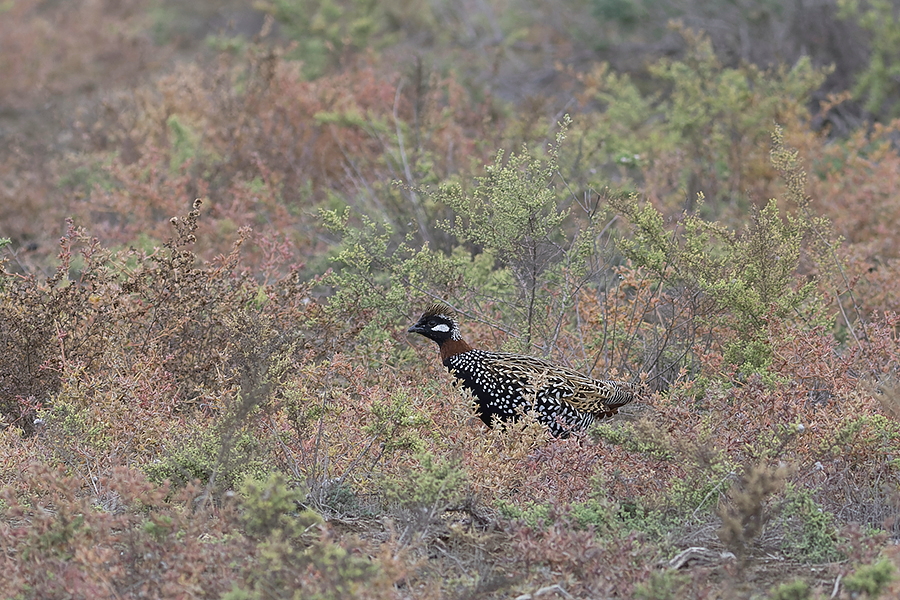
Transfer to Shirvan National Park, a flagship of the Azerbaijani national parks. We will spend the whole day there. In the vast steppe grasslands and wetlands we will be searching for Black Francolin, Pygmy Cormorant, Ferruginous Duck, Marbled Duck, Grey-headed Swamphen, Lesser Kestrel, European Roller, Menetries’s Warbler, Rufous-tailed Scrub Robin, Eastern Olivaceous Warbler, Bluethroat, Siberian Stonechat, Black-headed Bunting, Isabelline Wheatear, etc.
A true gem within the national park is its thriving population of Goitered Gazelle.
We will be staying at the Khan Lankaran Hotel in the town of Lankaran for three nights.
Packed lunch for the day.
We will spend a full day in the Gizil Aghaj National Park, which has extensive coastal lagoons that host a wide variety of water birds. Our main targets here will be the Marbled Duck, Little Bittern, Terek Sandpiper, White-tailed Lapwing, Greater Sand Plover, Caspian Gull, Siberian Stonechat.
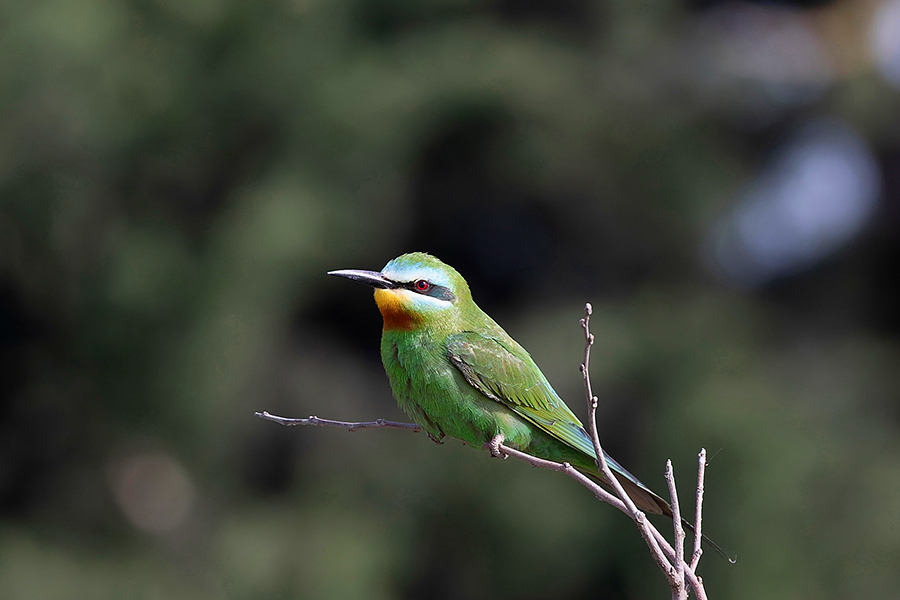
The Blue-cheeked Bee-eater colonies along the road are a colorful delight.
We will have lunch at a local restaurant.
In the afternoon, we will visit a local Shikra breeding site. Azerbaijan is home to the only breeding sites for this species within the Western Palearctic, making this a key highlight of the tour.
At the end of the day, we may return to Gizil Aghaj National Park to look for more waders and shorebirds.
Today we will be searching for special birds in the Lerik area and the Talysh Mountains
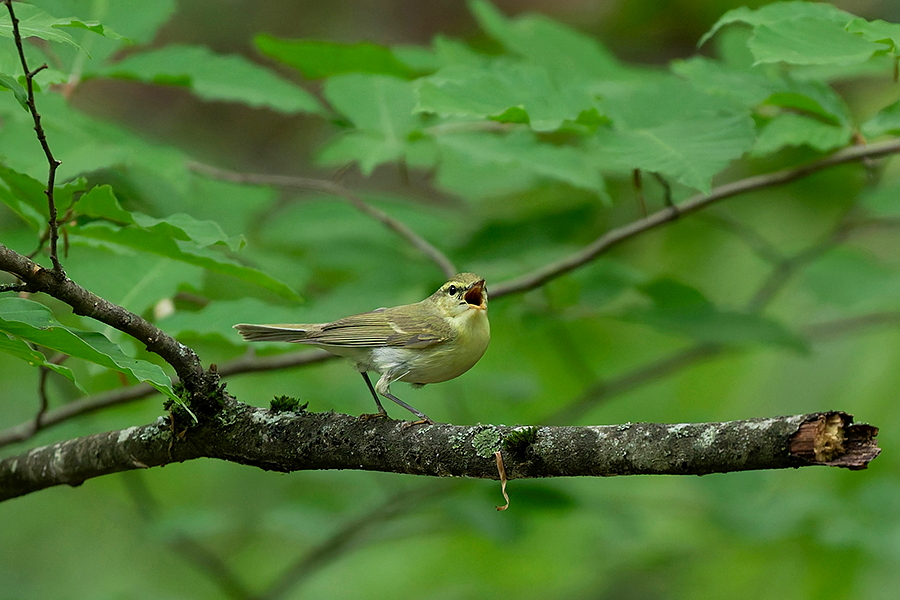
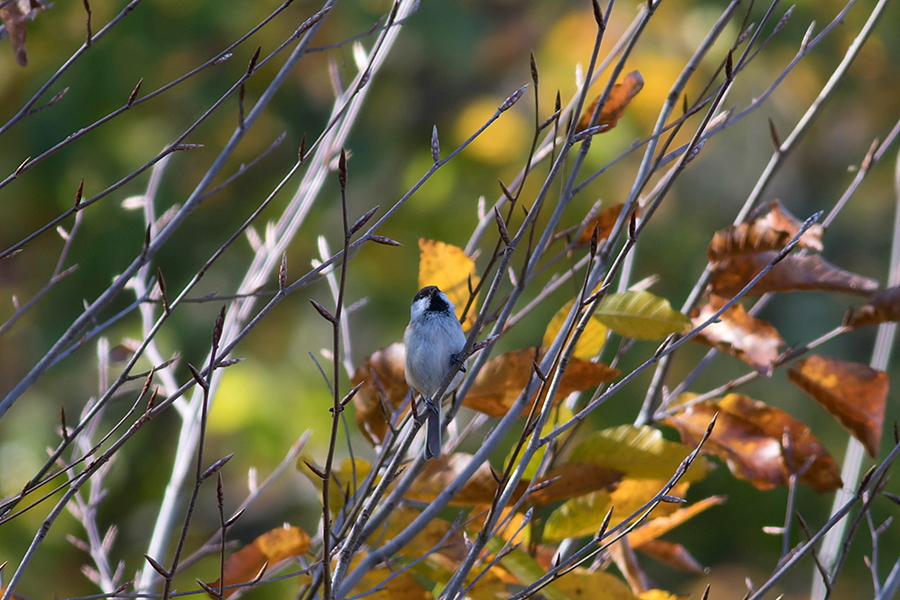
The top bird species will be the Caspian Tit, which has a limited breeding range in this part of the Western Palearctic. Other birds of interest in the area will include the ssp. poelzami of the Great Spotted Woodpecker, Green Warbler, Black Stork, Cinereous Vulture, etc.
Packed lunch for the day.
Today, we will travel north to the Greater Caucasus Mountains, which is approximately a 4.5-hour drive. We will make several stops along the way for birdwatching, including at the Gobustan Rock Art Cultural Landscape. We may also stop at some sites we have previously visited if we missed (or did not see well) some of our targets. The Gobustan Rock Art Cultural Landscape is a UNESCO World Heritage Site containing more than 6,000 rock art engravings dating back 4,000 years. Key bird species here include the Egyptian Vulture, Long-legged Buzzard, Chukar, Woodchat Shrike, Western Rock Nuthatch, Rock Sparrow, Finsch’s Wheatear, Pied Wheatear and Red-billed Chough. In the open steppe and arid areas, we will search for the breeding Turkestan Short-toed Lark, Greater Short-toed Lark and other species of larks.
We will arrive in the Guba area in the evening and stay for two nights at the Maajid Hotel, which is located higher up the river valley to the south-east of the town of Guba.
A full day in Shahdag National Park and the surrounding area.
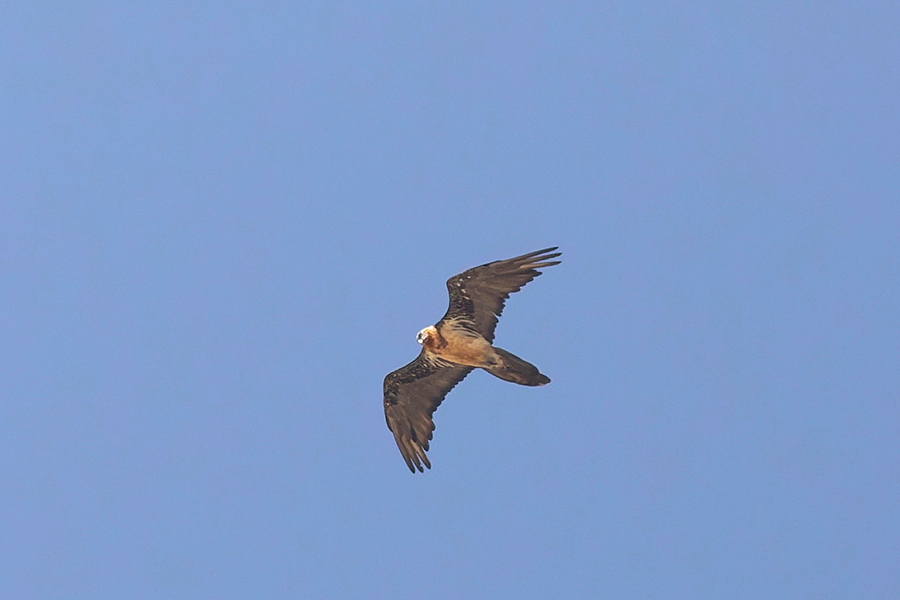
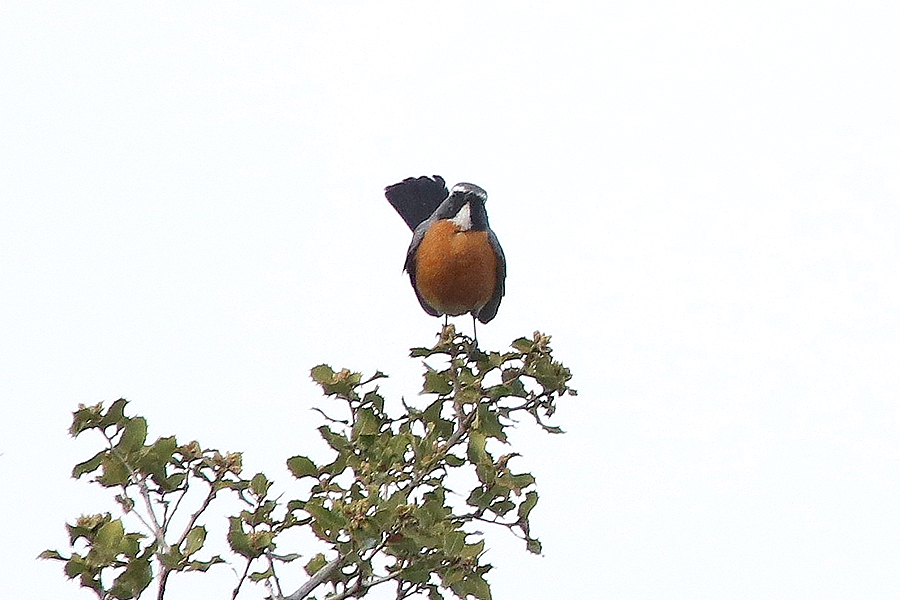
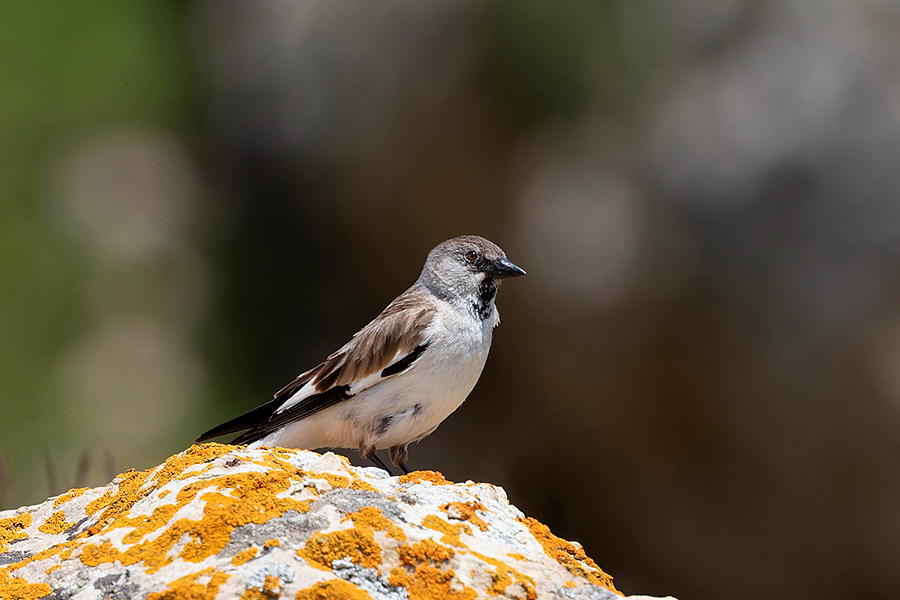
We will leave the hotel very early in the morning and reach an altitude of nearly 3,000 meters in the Xinaliq area in search of the Caucasian Snowcock, Bearded Vulture, Güldenstadt’s Redstart, Great Rosefinch, Horned Lark, Water Pipit, Alpine Accentor, White-winged Snowfinch, Red-billed Chough and other alpine species.
On the way back to our accommodation in the afternoon, we will stop several times, where there will be a good chance of seeing the Wallcreeper, Red-fronted Serin, ‘Caucasian’ Twite (L. f. brevirostris), Rock Bunting, Ring Ouzel and Rufous-tailed (Common) Rock Thrush, among others.
A packed lunch will be provided for the day.
In the morning, we may return to the high mountains of the Shahdag National Park near Xinaliq, especially if we missed seeing the Caucasian Snowcock and other target species the previous day due to bad weather or another reason. Then, en route to Laza, we will explore the deciduous forests of the Guba area in search of Green Warblers, Red-breasted Flycatchers, Semi-collared Flycatchers and other forest birds. We will have lunch at a local restaurant.
We will spend one night in the Laza area.
We will leave early in the morning to explore another part of Shahdag National Park. Our main target here is the Caucasian Grouse, which can be seen displaying on the slopes above the village. On the lush northern side of the Gizilgaya massif, the low birch shrubs are home to special birds such as the Caucasian Chiffchaff, Water Pipit and Ring Ouzel. We will have another good chance of seeing the Red-fronted Serin and the ‘Caucasian’ Twite in the meadows and other open habitats.
At noon, we will leave for Baku to catch our late afternoon/evening flight to Nakhchivan.
We will spend three overnights in the Nakhchivan city (Tebriz hotel).
Birding in Nakhchivan. Today we will explore the area around the city of Nakhchivan and the hills and mountains to the north of it, where we will be searching for Armenian Gull, See-see Partridge, Radde’s Accentor, White-throated Robin, Red-tailed Wheatear, Eastern Rock Nuthatch, Grey-necked Bunting, Bearded Vulture and other birds.
Birding in Nakhchivan. In the morning we will be looking for birds in the rocky and hilly habitats to the east of Nakhchivan city, where we will have very good chances of spotting See-see Partridge, Upcher’s Warbler, Eastern Black-eared Wheatear, Trumpeter Finch and Mongolian Finch, as well as Lanner Falcon. The surrounding steppes may produce Greater Short-toed Lark and Isabelline Wheatear. We will also visit some small ponds, where Black-bellied Sandgrouse come to drink.
During the rest of the day we will visit the symbol of Nakhchivan, Mount Ilandag and the Daridag area as well, where the key species to look for are the Grey-necked Bunting, Bimaculated Lark, Desert Finch, Crimson-winged Finch and Pale Rockfinch.
Morning and early afternoon birding in Nakhchivan.
We will be looking for the target species that we either missed or did not see well enough in the previous two days.
In the evening, we will take a flight to Baku.
There is the option of staying overnight in a hotel in Baku (because some tour particcipants may have a return flight the same night or in the early hours of the next morning, so they may prefer to stay at the airport).
Departure for home.

Downloads
Loading booking options…
FAQ
This is a sample answer.
This is a sample answer.
Book Tour
Tour prices
Prices per person