
Spring Birdwatching Tour in Bulgaria and Greece
Trip Includes
Trip Excludes
Meet your guides
Outline itinerary
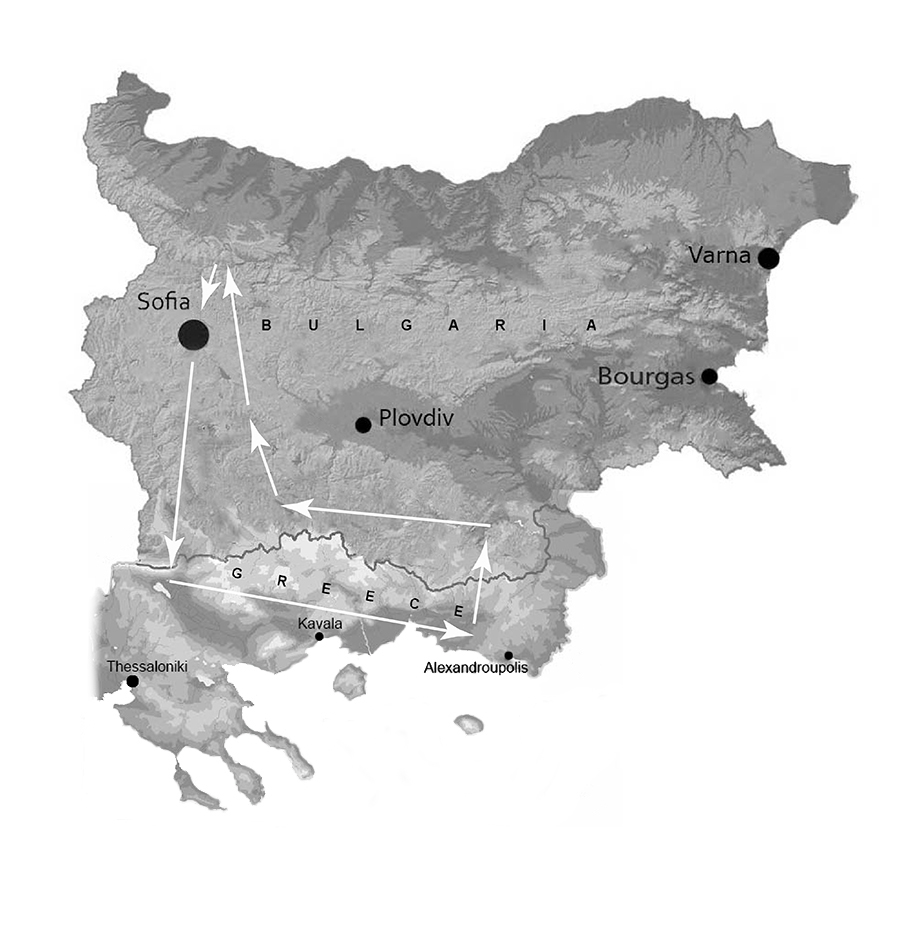
The tour departs from Sofia (Bulgaria) no later than midday. We will pick you up either at Sofia airport or at your accommodation in Sofia if you have arrived the day before. We then drive about 3 hours south to Lake Kerkini in Greece, just across the border between the two countries, with stops for birdwatching along the way. We arrive in the late afternoon and can begin to explore the birds and wildlife of this magnificent place. On the way we can visit the Rila Monastery, one of the iconic cultural heritage sites in Bulgaria (https://bulgariatravel.org/rila-monastery/ ).
We will stay in the Kerkini area for three nights.
We will visit all the main birdwatching areas of the lake, as one of the mornings we can make a 3 hour boat trip to the heron and cormorant nesting colony, which also offers very good opportunities for bird photography.
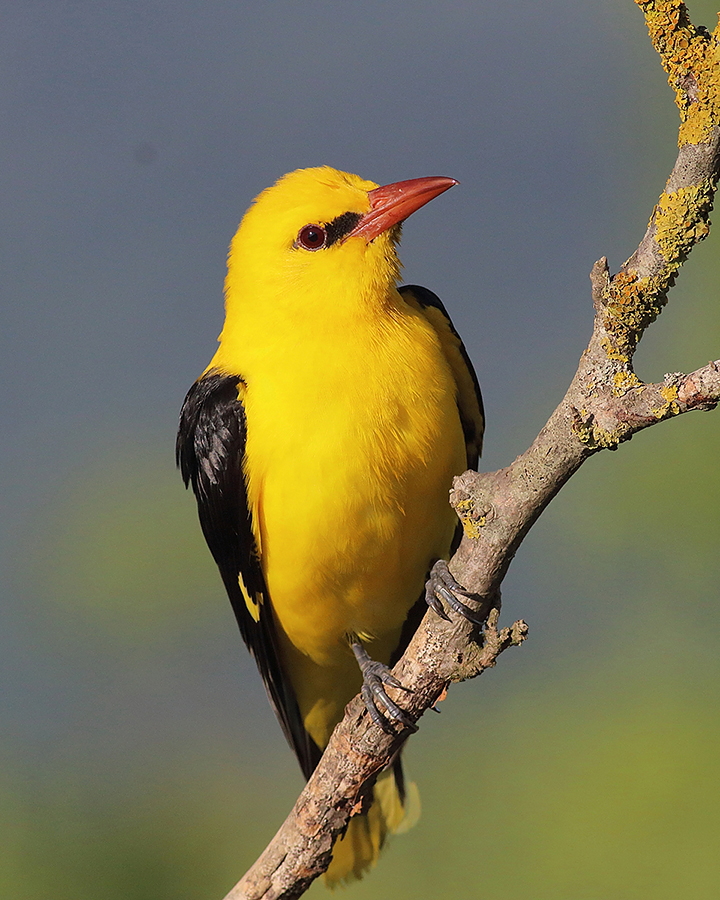
The main species of birds to be seen in the lake include the Great White Pelican, Dalmatian Pelican, Pygmy Cormorant, Purple, Squacco and Black-crowned Night herons, Little Bittern, Eurasian Spoonbill, Glossy Ibis, Black Stork, Marsh Harrier, Black Kite, Black-winged Stilt, Penduline Tit, Great Reed Warbler, Savi’s Warbler, Cetti’s Warbler and other water birds.
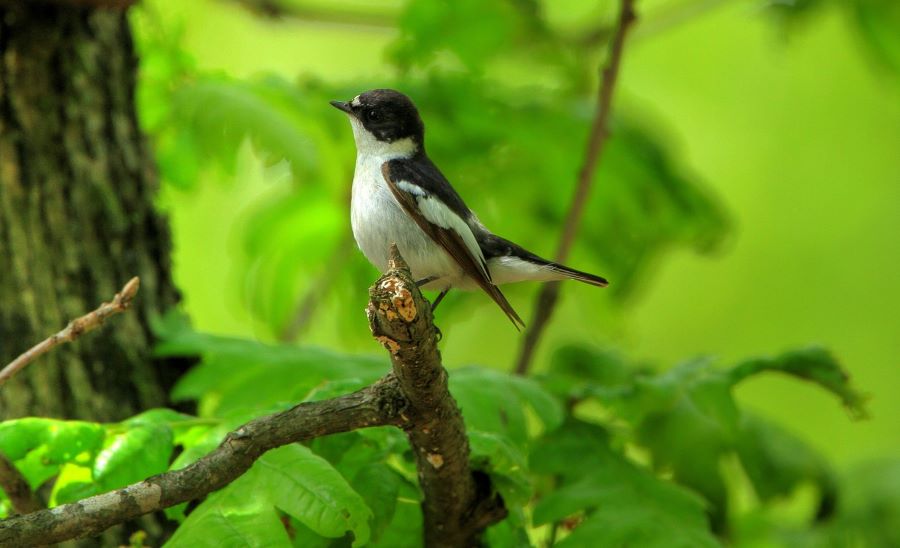
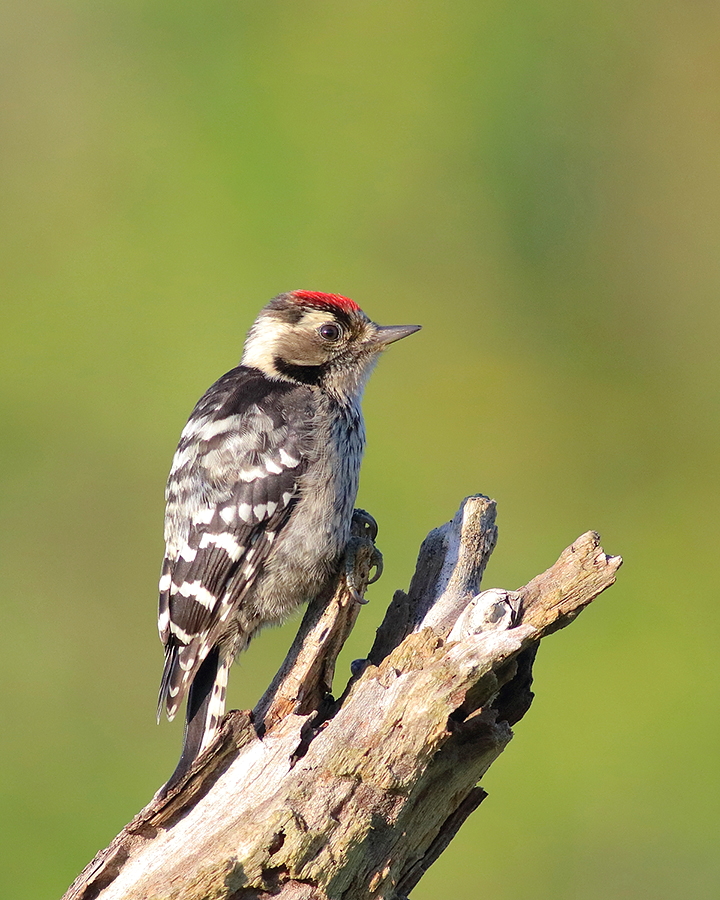
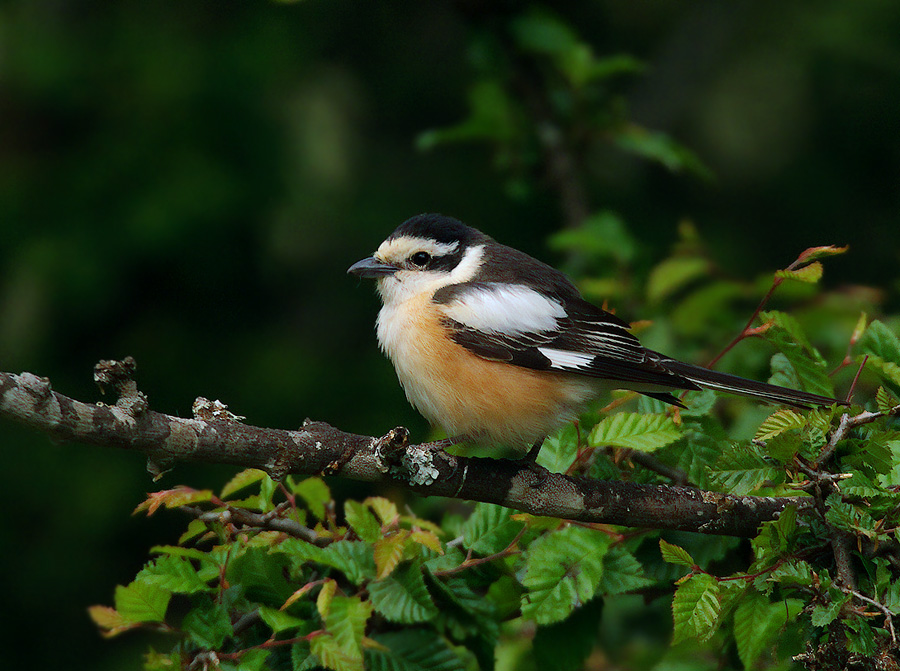
In the deciduous forests and shrubs, steppes and arid areas around the lake, we can see various breeding birds such as the Long-legged Buzzard, Levant Sparrowhawk, Rock Partridge, Grey-headed Woodpecker, Lesser Spotted Woodpecker, Syrian Woodpecker, Wryneck, European Red-rumped Swallow, Masked Shrike, Woodchat Shrike, Lesser Grey Shrike, Calandra Lark, Olivaceous Warbler, Semi-collared Flycatcher, Black-headed Bunting, Cirl Bunting, Ortolan.
Today we head east towards Maronia, stopping en route for a long birdwatching break in the Nestos River area, including the Nestos Gorge and riverine forests. The main birds that can be seen in the gorge are Short-toed Eagle, Golden Eagle, Alpine Swift, Pallid Swift, European Red-rumped Swallow, Eurasian Crag Martin, Eastern Orphean Warbler, Blue Rock Thrush, Western Rock Nuthatch.
We stay for two nights in a small hotel in the Maronia area.
We will spend most of the day in the Maronia area, exploring Mediterranean vegetation, old olive groves and the Aegean coast. Here we can see the Lesser Kestrel, Great Spotted Cuckoo, Masked Shrike, Eastern Orphean Warbler, Eastern Subalpine Warbler, Sardinian Warbler, Olive-tree Warbler, Rufous-tailed Scrub Robin, Zitting Cisticola, Ortolan Bunting, Black-headed Bunting. Off the coast we can expect to see the Yelkouan Shearwater, Scopoli’s Shearwater and Audouine’s Gull.
At the end of the day we will visit the Thracian Lagoons and Lakes – an extensive coastal wetland area where we will be looking for White-tailed Eagle, Montagu’s Harrier, Western Marsh Harrier, Levant Sparrow Hawk, Greater Flamingo, Spur-winged Plover, Marsh Sandpiper, Temminck’s Stint, Slender-billed Gull, Gull-billed Tern and others.
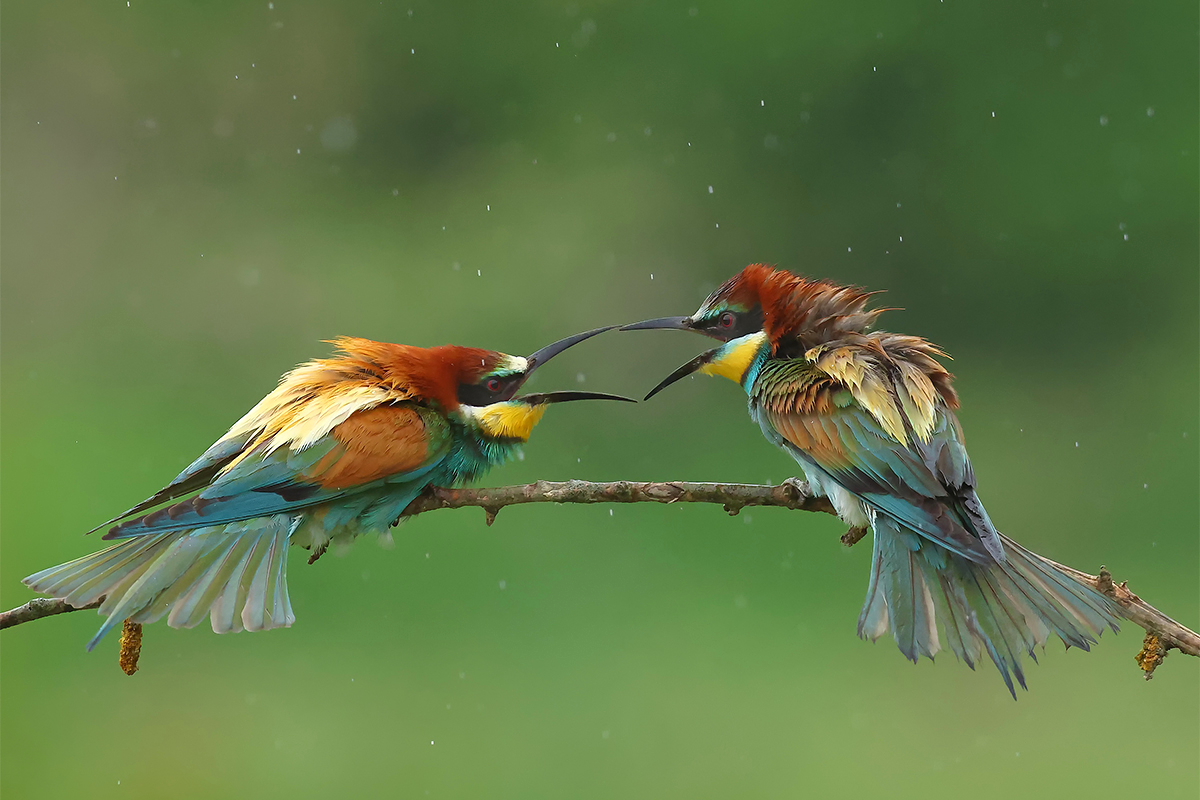
Early morning birding in the area of Maronia, then we will head north to Bulgaria, to the Eastern Rhodopes. The drive will take about 2 hours and on the way we will be looking for Lesser Spotted Eagle, Booted Eagle, European Honey-Buzzard, Montagu’s Harrier, European Roller, European Bee-eater, Olive-tree Warbler, Tawny Pipit, Isabelline Wheatear.
We’ll arrive around midday, have lunch, rest a bit and then do some afternoon birdwatching.
Two nights in the Eastern Rhodopes
The Eastern Rhodopes is a mountain of jagged peaks, towering cliffs and sparsely vegetated, boulder-strewn slopes. Due to the mountain’s specific climate and location on the border of two climatic zones – Mediterranean and continental – there is a great diversity of birds and other wildlife.
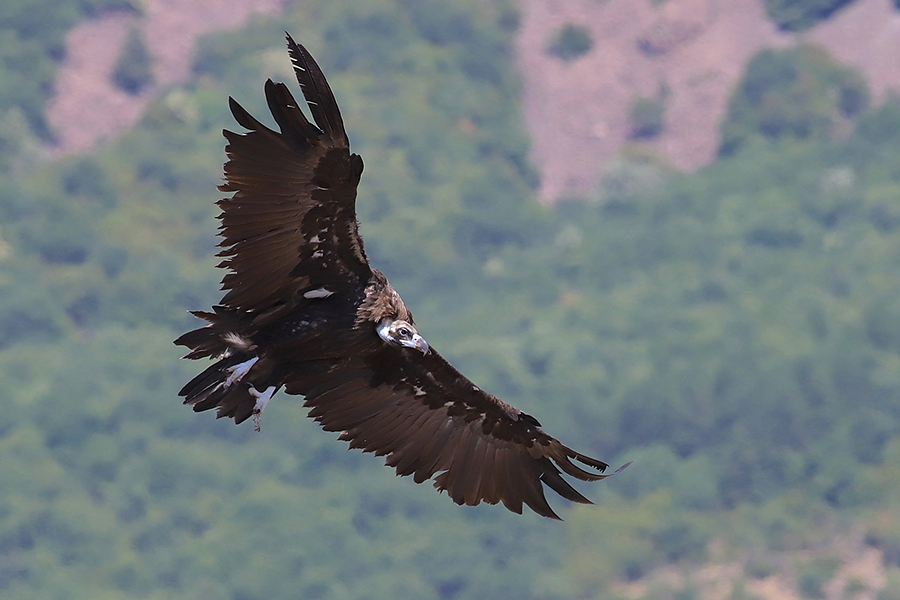
We will spend a full day birdwatching in the Eastern Rhodopes. The key bird species will be Griffon Vulture, Cinereous (Eurasian Black) Vulture, Egyptian Vulture, Black Kite, Booted Eagle, Short-toed Eagle, Hobby, Black Stork, Chukar Partridge, Eurasian Scops Owl, Eastern Bonelli’s Warbler, Barred Warbler, Eastern Orphean Warbler, Eastern Subalpine Warbler, Common Redstart (ssp. samamisicus), Woodchat Shrike, Sombre Tit, Cirl Bunting.
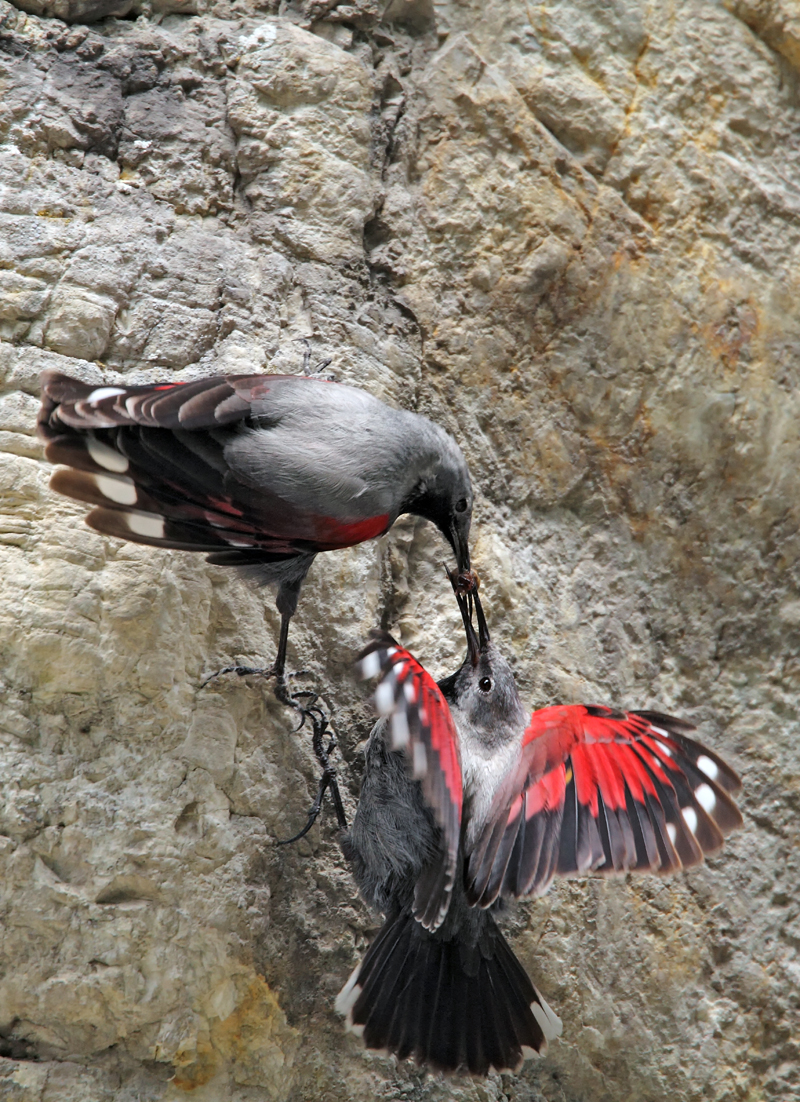
Head west to the Devin area of the Western Rhodopes. This is a beautiful, rounded, pine-clad mountain, occasionally cut by streams and rivers running through deep gorges. One of these is the magnificent Trigrad Gorge – one of our main destinations there and the realm of the Wallcreeper.
There will be several stops along the way, including birdwatching in the higher mountain coniferous forests, where we will see some of the typical birds of these habitats, such as Ring Ouzel (ssp. alpestris), Willow Tit, Crested Tit, Coal Tit, Common Firecrest, Goldcrest, European Serin.
Two nights near the town of Devin.
Today our main target will be the Wallcreeper, for which we will visit the Trigrad Gorge – one of the most reliable sites for this bird in Europe. Other birds to be seen here include Alpine Swift, Pallid Swift, Eurasian Crag Martin, White-throated Dipper, Grey Wagtail, Marsh Tit, Rock Bunting.
Today we will drive northwest through the Western Rhodopes, with several stops along the way, with good chances to see Eurasian Pygmy Owl, Hazel Grouse, Spotted Nutcracker, Black Woodpecker and other coniferous forest birds, as well as White-backed Woodpecker, Grey-headed Woodpecker, Common Rosefinch.
In the evening we will reach the eastern part of the Rila Mountains, where we will spend two nights.
Rila is the highest mountain of the Balkan Peninsula. Its most valuable habitats – coniferous forests, subalpine grasslands and rocky areas – are preserved in the Rila National Park.
We will spend a full day in the eastern part of the Rila Mountains looking for Eurasian Pygmy Owl, Hazel Grouse, Spotted Nutcracker, Mistle Thrush, Tree Pipit, Eurasian Siskin and other coniferous forest birds, as well as Water Pipit and Black Redstart in the mountain grasslands, streams and rocky areas.
Morning birdwatching in the area of the eastern Rila Mountains – trying to see the species we missed the day before. In the afternoon – transfer to the Western Balkan Mountains. On the way, in the late afternoon, we will try to find and see the elusive Corncrake in the meadows around the Dragoman marsh. If time allows we will search also for Great Reed Warbler, Bearded Reedling, Rufous-tailed Rock Thrush and Barred Warbler the area.
One night in the foot of the Western Balkan Mnts.
We will have an early start and spend the morning in the Western Balkan Mountains looking for Rock Partridge, Long-legged Buzzard, Golden Eagle, Alpine Chough, Common (Rufous-tailed) Rock Thrush, Sombre Tit, Rock Bunting, Cirl Bunting and others.
After the morning birding we will check-out the last hotel and drive briefly to Sofia Airport for departure.



Downloads
- Overview
- Trip Outline
- Trip Includes
- Trip Excludes
- Gallery
- Booking
- FAQ
Bulgaria and Greece share exceptional natural beauty and wildlife diversity. This combined birding tour is designed to complement our mountain birding in southern Bulgaria by introducing you to the rich wildlife of Lake Kerkini and the Aegean lowlands of northern Greece.
Itineraries
Day 1
Arrival in Sofia and transfer to Lake Kerkini in Greece
The tour departs from Sofia (Bulgaria) no later than midday. We will pick you up either at Sofia airport or at your accommodation in Sofia if you have arrived the day before. We then drive about 3 hours south to Lake Kerkini in Greece, just across the border between the two countries, with stops for birdwatching along the way. We arrive in the late afternoon and can begin to explore the birds and wildlife of this magnificent place. On the way we can visit the Rila Monastery, one of the iconic cultural heritage sites in Bulgaria (https://bulgariatravel.org/rila-monastery/ ).
We will stay in the Kerkini area for three nights.
Day 2 & Day 3
Two full days in the area of Lake Kerkini
We will visit all the main birdwatching areas of the lake, as one of the mornings we can make a 3 hour boat trip to the heron and cormorant nesting colony, which also offers very good opportunities for bird photography.
The main species of birds to be seen in the lake include the Great White Pelican, Dalmatian Pelican, Pygmy Cormorant, Purple, Squacco and Black-crowned Night herons, Little Bittern, Eurasian Spoonbill, Glossy Ibis, Black Stork, Marsh Harrier, Black Kite, Black-winged Stilt, Penduline Tit, Great Reed Warbler, Savi’s Warbler, Cetti’s Warbler and other water birds.
In the deciduous forests and shrubs, steppes and arid areas around the lake, we can see various breeding birds such as the Long-legged Buzzard, Levant Sparrowhawk, Rock Partridge, Grey-headed Woodpecker, Lesser Spotted Woodpecker, Syrian Woodpecker, Wryneck, European Red-rumped Swallow, Masked Shrike, Woodchat Shrike, Lesser Grey Shrike, Calandra Lark, Olivaceous Warbler, Semi-collared Flycatcher, Black-headed Bunting, Cirl Bunting, Ortolan.
Day 4
Transfer to Maronia via the Nestos River Gorge and Delta
Today we head east towards Maronia, stopping en route for a long birdwatching break in the Nestos River area, including the Nestos Gorge and riverine forests. The main birds that can be seen in the gorge are Short-toed Eagle, Golden Eagle, Alpine Swift, Pallid Swift, European Red-rumped Swallow, Eurasian Crag Martin, Eastern Orphean Warbler, Blue Rock Thrush, Western Rock Nuthatch.
We stay for two nights in a small hotel in the Maronia area.
Day 5
Maronia area
We will spend most of the day in the Maronia area, exploring Mediterranean vegetation, old olive groves and the Aegean coast. Here we can see the Lesser Kestrel, Great Spotted Cuckoo, Masked Shrike, Eastern Orphean Warbler, Eastern Subalpine Warbler, Sardinian Warbler, Olive-tree Warbler, Rufous-tailed Scrub Robin, Zitting Cisticola, Ortolan Bunting, Black-headed Bunting. Off the coast we can expect to see the Yelkouan Shearwater, Scopoli’s Shearwater and Audouine’s Gull.
At the end of the day we will visit the Thracian Lagoons and Lakes – an extensive coastal wetland area where we will be looking for White-tailed Eagle, Montagu’s Harrier, Western Marsh Harrier, Levant Sparrow Hawk, Greater Flamingo, Spur-winged Plover, Marsh Sandpiper, Temminck’s Stint, Slender-billed Gull, Gull-billed Tern and others.
Day 6
Transfer back to Bulgaria, the Eastern Rhodopes
Early morning birding in the area of Maronia, then we will head north to Bulgaria, to the Eastern Rhodopes. The drive will take about 2 hours and on the way we will be looking for Lesser Spotted Eagle, Booted Eagle, European Honey-Buzzard, Montagu’s Harrier, European Roller, European Bee-eater, Olive-tree Warbler, Tawny Pipit, Isabelline Wheatear.
We’ll arrive around midday, have lunch, rest a bit and then do some afternoon birdwatching.
Two nights in the Eastern Rhodopes
Day 7
The Eastern Rhodopes
The Eastern Rhodopes is a mountain of jagged peaks, towering cliffs and sparsely vegetated, boulder-strewn slopes. Due to the mountain’s specific climate and location on the border of two climatic zones – Mediterranean and continental – there is a great diversity of birds and other wildlife.
We will spend a full day birdwatching in the Eastern Rhodopes. The key bird species will be Griffon Vulture, Cinereous (Eurasian Black) Vulture, Egyptian Vulture, Black Kite, Booted Eagle, Short-toed Eagle, Hobby, Black Stork, Chukar Partridge, Eurasian Scops Owl, Eastern Bonelli’s Warbler, Barred Warbler, Eastern Orphean Warbler, Eastern Subalpine Warbler, Common Redstart (ssp. samamisicus), Woodchat Shrike, Sombre Tit, Cirl Bunting.
Day 8
Transfer to the Western Rhodopes
Head west to the Devin area of the Western Rhodopes. This is a beautiful, rounded, pine-clad mountain, occasionally cut by streams and rivers running through deep gorges. One of these is the magnificent Trigrad Gorge – one of our main destinations there and the realm of the Wallcreeper.
There will be several stops along the way, including birdwatching in the higher mountain coniferous forests, where we will see some of the typical birds of these habitats, such as Ring Ouzel (ssp. alpestris), Willow Tit, Crested Tit, Coal Tit, Common Firecrest, Goldcrest, European Serin.
Two nights near the town of Devin.
Day 9
Trigrad Gorge and surroundings
Today our main target will be the Wallcreeper, for which we will visit the Trigrad Gorge – one of the most reliable sites for this bird in Europe. Other birds to be seen here include Alpine Swift, Pallid Swift, Eurasian Crag Martin, White-throated Dipper, Grey Wagtail, Marsh Tit, Rock Bunting.
Day 10
Transfer to the eastern part of the Rila Mountains with stops for birdwatching
Today we will drive northwest through the Western Rhodopes, with several stops along the way, with good chances to see Eurasian Pygmy Owl, Hazel Grouse, Spotted Nutcracker, Black Woodpecker and other coniferous forest birds, as well as White-backed Woodpecker, Grey-headed Woodpecker, Common Rosefinch.
In the evening we will reach the eastern part of the Rila Mountains, where we will spend two nights.
Day 11
The Rila Mountains
Rila is the highest mountain of the Balkan Peninsula. Its most valuable habitats – coniferous forests, subalpine grasslands and rocky areas – are preserved in the Rila National Park.
We will spend a full day in the eastern part of the Rila Mountains looking for Eurasian Pygmy Owl, Hazel Grouse, Spotted Nutcracker, Mistle Thrush, Tree Pipit, Eurasian Siskin and other coniferous forest birds, as well as Water Pipit and Black Redstart in the mountain grasslands, streams and rocky areas.
Day 12
Transfer to the Western Balkan Mountains
Morning birdwatching in the area of the eastern Rila Mountains – trying to see the species we missed the day before. In the afternoon – transfer to the Western Balkan Mountains. On the way, in the late afternoon, we will try to find and see the elusive Corncrake in the meadows around the Dragoman marsh. If time allows we will search also for Great Reed Warbler, Bearded Reedling, Rufous-tailed Rock Thrush and Barred Warbler the area.
One night in the foot of the Western Balkan Mnts.
Day 13
Morning birding (Rock Partridge site), then transfer to the airport
We will have an early start and spend the morning in the Western Balkan Mountains looking for Rock Partridge, Long-legged Buzzard, Golden Eagle, Alpine Chough, Common (Rufous-tailed) Rock Thrush, Sombre Tit, Rock Bunting, Cirl Bunting and others.
After the morning birding we will check-out the last hotel and drive briefly to Sofia Airport for departure.
No details found.
No details found.

No Details Found
FAQ
This is a sample answer.
This is a sample answer.
Book Tour
Tour prices
Prices per person